Directory
Developer Zone
Design & Creativity
Productivity
Other Utilities
Others
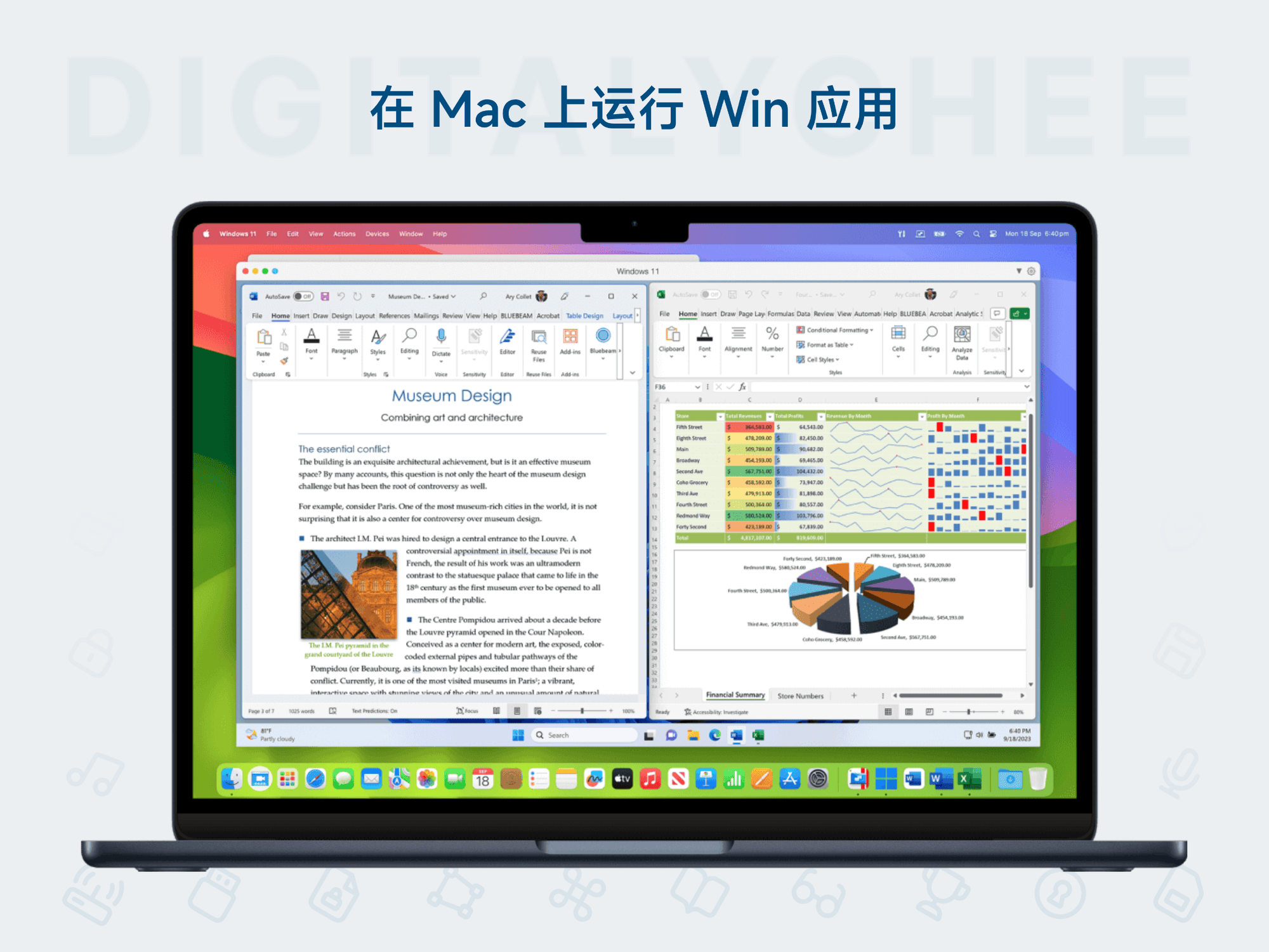
Vagrant
Vagrant is a powerful development environment management tool that enables developers to quickly create and configure consistent virtual machine environments using CLI commands and a Vagrantfile configuration file. It supports folder synchronization and pre-packaged Boxes, ensuring consistency between development and testing environments, resolving the "it works on my machine" issue, and improving team collaboration efficiency.
Vagrant: A Powerful Tool for Simplifying Development Environment Management
Overview
Vagrant is a powerful command-line tool designed to manage the entire lifecycle of virtual machines. It aims to help developers, operations teams, and organizations easily create, configure, and distribute repeatable, portable development environments. By isolating dependencies and configurations within a single, one-time, consistent environment, Vagrant solves the classic "it works on my machine" problem, ensuring consistency across development, testing, and production environments.
Core Features and Benefits
1. Environment Lifecycle Management
vagrant up: One-click creation and configuration of virtual machines — the most essential Vagrant CLI command.vagrant halt/vagrant destroy: Easily pause or completely destroy development environments to free system resources.vagrant suspend/vagrant resume: Quickly suspend and resume VM states to save time.
2. Repeatable and Portable Work Environments
- Vagrantfile: A configuration file written in Ruby syntax that precisely defines VM specifications, networking, shared folders, and provisioning steps.
- A single
Vagrantfilecombined with a specified Box can replicate the exact same development environment on any machine supporting Vagrant.
3. Seamless Host-Guest Integration
- Synced Folders: Automatically sync local project directories to the VM, allowing you to use your preferred local editor while running and testing in an isolated VM environment.
- Advanced Networking:
- Port forwarding: Easily map local ports to VM ports for convenient access via localhost (e.g.,
localhost:8080 -> guest:80). - Private networking: Assign private IPs to VMs for communication between host and VMs or among VMs.
- Public networking: Bridge VMs to the local network.
- Port forwarding: Easily map local ports to VM ports for convenient access via localhost (e.g.,
4. Powerful Automation Provisioning
- Automate software installation and configuration (e.g., web servers, databases, runtime environments) during VM startup.
- Supports mainstream configuration management tools: Shell scripts, Ansible, Chef, Puppet, Salt. Provisioning steps can be defined directly in the
Vagrantfile.
5. High Extensibility
- Plugin System: A rich ecosystem of community plugins extends Vagrant’s capabilities — e.g., supporting new providers, adding commands, or enhancing existing features.
- Providers: Not limited to VirtualBox. Vagrant supports multiple virtualization and container backends via its Provider abstraction layer, including:
- VirtualBox (default, free)
- VMware (more powerful, requires paid plugin)
- Hyper-V (Windows)
- Docker (manages containers as lightweight "VMs")
- Parallels Desktop (macOS)
- Cloud providers like AWS, Google Cloud, etc.
6. Easy Sharing and Collaboration
- Vagrant Share: Share your local Vagrant development environment securely over the internet with a single command, ideal for team collaboration, demos, or remote debugging.
7. Triggers
- Enable custom commands to run before or after Vagrant operations (e.g.,
up,halt,destroy) on either the host or guest, enabling more complex automation workflows.
Key Advantages
✅ Cross-Platform Consistency: Whether using macOS, Windows, or Linux, team members can build identical environments using the same Vagrantfile and Box.
✅ Boosted Development Efficiency: New team members no longer need days to set up environments. With just git clone and vagrant up, they get a fully functional, ready-to-use environment in minutes.
✅ Environment Isolation and Cleanliness: All project dependencies are encapsulated within isolated VMs, preventing conflicts from globally installed software versions. After project completion, environments can be destroyed with a single command, leaving no trace.
✅ Infrastructure as Code (IaC) Practice: The Vagrantfile is version-controlled code. Changes and evolution of environment configurations are transparent, auditable, and easily reversible.
✅ Reduced Production Risks: By simulating production configurations (e.g., same OS, middleware versions), you can test more realistically locally, minimizing unexpected issues after deployment.
✅ Seamless CI/CD Integration: Vagrant environments integrate smoothly into CI/CD pipelines for automated testing, ensuring every build runs in a clean, consistent environment.
Use Cases and Scenarios
- Multi-language/Multi-framework Development: Needing to switch between runtime environments like PHP, Node.js, Python, Java, etc., for different projects.
- Full-stack Development: Running web servers, application servers, databases, and caching services locally.
- Learning and Experimenting with New Technologies: Quickly set up clean environments to safely learn and experiment with new software (e.g., exploring HashiCorp Nomad’s autoscaler or Vault data encryption).
- Team Collaboration: Ensure designers, developers, and testers all work in identical underlying environments.
- Open Source Contribution: Many open-source projects provide
Vagrantfiles to help contributors quickly set up the required development environment.
Getting Started
Install:
- Download the macOS installer from the official website.
- Or use Homebrew:
brew install vagrant
Install a Provider (e.g., VirtualBox):
brew install --cask virtualboxInitialize and Start an Environment:
# Navigate to your project directory
cd ~/your-project
# Initialize Vagrantfile using an official Ubuntu Box
vagrant init hashicorp/bionic64
# Start the virtual machine
vagrant up
# SSH into the VM
vagrant ssh
Relationship with Other Tools
- Vagrant vs. Docker: Vagrant focuses on managing full virtual machine environments, ideal for scenarios requiring complete OS isolation or simulating specific system environments (e.g., Windows servers). Docker focuses on containerizing applications at the app level and is more lightweight. The two can be used together (e.g., Vagrant using Docker as a Provider).
- Vagrant vs. Terraform: Both are HashiCorp products. Vagrant is primarily for orchestrating and managing development environments, while Terraform is a more powerful Infrastructure as Code tool for provisioning real production infrastructure in the cloud or data centers. Vagrant suits local and pre-production environments, while Terraform handles production.
In summary, Vagrant is a foundational tool in the macOS developer toolkit. It simplifies complex VM management into a few simple commands, greatly improving the reliability, repeatability, and team collaboration efficiency of development environments. Whether you’re an independent developer or part of a large team, Vagrant helps you focus more on creative coding and less on tedious environment setup.
All software data on this site is synchronized from the Awesome mac project. Copyright belongs to original authors.
Recommended Apps

WeFlow
WeFlow is a modern web development workflow tool designed specifically for macOS. It features a visual drag-and-drop interface and automated build processes, helping front-end developers efficiently manage code compilation, resource optimization, and real-time debugging, thereby significantly improving development productivity.
Woodpecker
Woodpecker is a lightweight in-app network packet capturing tool specifically designed for macOS. It integrates directly into applications without requiring proxy configuration or certificate installation, enabling real-time monitoring of network requests and responses for iOS and macOS apps. It supports request editing, re-sending, and data format parsing, significantly streamlining the development and debugging process.

Zeplin
Zeplin is a platform designed specifically for design and development collaboration, automatically converting designs created in tools like Figma and Sketch into structured design specifications. It supports code snippet generation, asset export, and version management, significantly enhancing team collaboration efficiency.
BetterRename
BetterRename is a powerful macOS batch file renaming tool. It supports various renaming rules, regular expressions, and automation features, enabling you to efficiently manage large volumes of files and significantly improve your workflow productivity.
Beyond Compare
Beyond Compare is a powerful file comparison and synchronization tool that accurately compares and synchronizes files, folders, text, and code. It supports difference highlighting and convenient merge functionality, making it an essential tool for programmers, designers, and administrators in data management and backup tasks.
Cacher
Cacher is an efficient code snippet manager that supports cross-platform synchronization and team collaboration. Its intelligent search and tag management enable you to quickly find and reuse code, boosting development efficiency—making it an essential tool for programmers.
Comments