Directory
Developer Zone
Design & Creativity
Productivity
Other Utilities
Others

UTM
UTM is a free and open-source virtual machine for macOS, supporting secure execution of Windows, Linux, and various classic operating systems on Mac. It offers high-performance virtualization and multi-architecture emulation, ideal for development, testing, and system exploration.
UTM: Securely Run Any Operating System on Mac
Overview
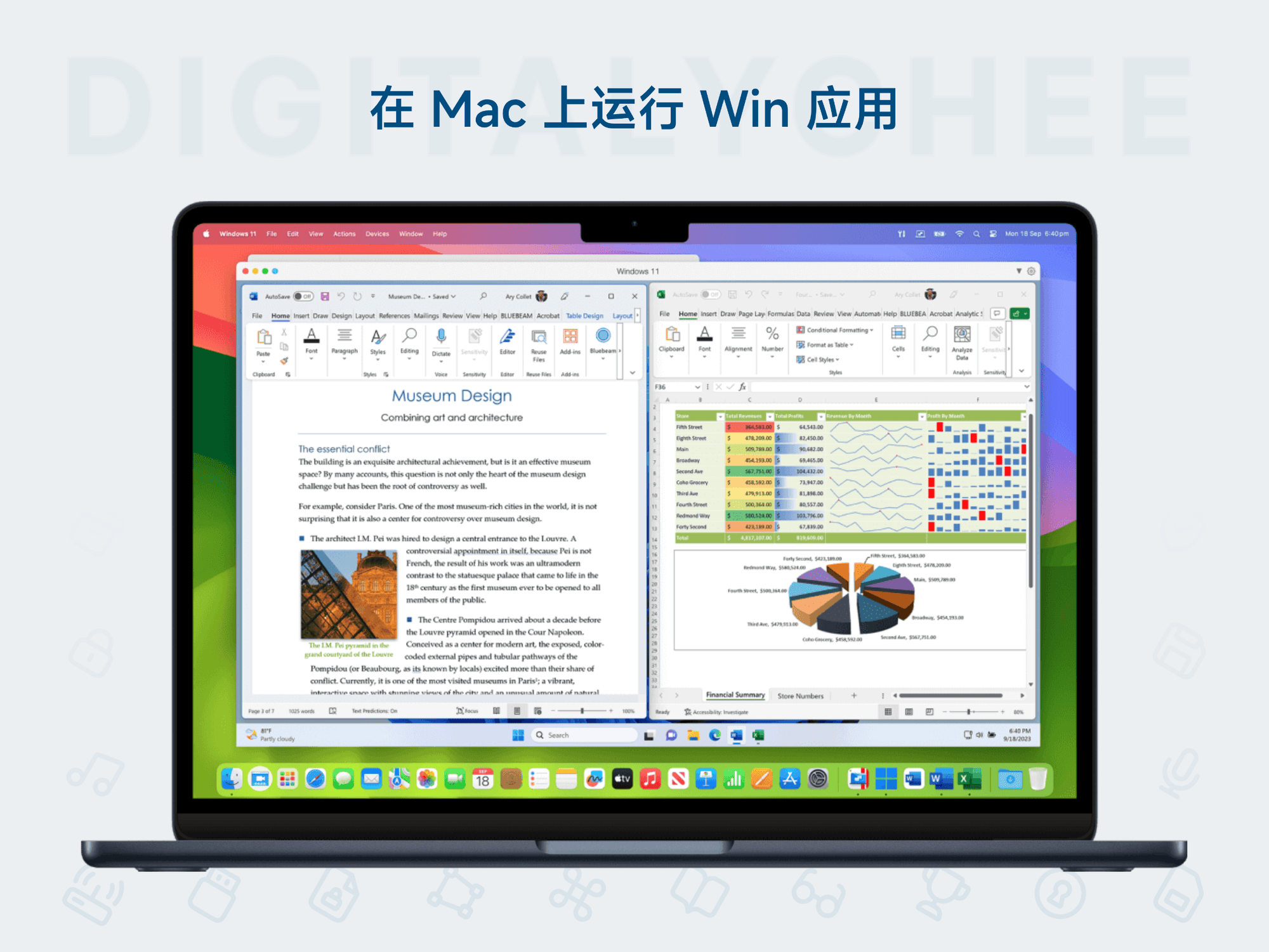
UTM is a free, open-source virtual machine and emulator application specifically designed for macOS. It enables users to create virtual machines on Mac and securely run a wide range of operating systems—including Windows, Linux, and classic systems—greatly expanding the functional boundaries of Mac. Whether for developers conducting cross-platform testing or general users trying new systems or running specific software, UTM offers a powerful and convenient solution.
Key Features
Comprehensive Architecture Support & High-Performance Virtualization
- Native Virtualization (Apple Silicon): On Apple Silicon Macs, UTM leverages Apple’s official Hypervisor framework to run ARM64 systems (such as Windows for ARM, Linux ARM), delivering near-native performance.
- Hardware Virtualization (Intel): On Intel Macs, it efficiently virtualizes x86/x64 operating systems.
- Flexible System Emulation: Through QEMU-based emulation mode, UTM breaks hardware architecture limitations, allowing you to run x86/x64 systems on Apple Silicon Macs or ARM64 systems on Intel Macs, enhancing compatibility options.
Extensive Processor & System Compatibility
- Supports mainstream ARM64 and x86_64 architectures, and provides emulation for dozens of other processor architectures, including ARM32, MIPS, PPC (PowerPC), and RISC-V—making your Mac capable of “running almost anything.”
- Can emulate classic operating systems (such as old Mac OS, Windows), regardless of whether they are based on PowerPC, SPARC, or x86_64 architectures.
- Virtualize macOS: On ARM-based Macs (requiring macOS Monterey or later), UTM supports creating macOS virtual machines, ideal for developers testing multiple versions or security-conscious users creating isolated environments.
macOS-Centric User Experience
- UTM is built from the ground up for macOS and Apple platforms, adopting modern design language introduced since Big Sur, with a look and feel matching a true native Mac application.
- The interface is intuitive and user-friendly, visualizing complex configuration options to eliminate the need for manual command-line parameter handling.
Built on a Powerful Open-Source Core, Simplifying Complex Tasks
- Powered by the proven, actively maintained open-source emulator QEMU, inheriting its robust features and flexibility.
- UTM’s core mission is to package QEMU’s advanced capabilities within a simple, graphical interface, allowing users to enjoy professional-grade virtualization/emulation without mastering steep command-line configuration curves.
- On Apple Silicon Macs, users can configure Apple Virtualization framework for native virtualization of macOS and Linux, further improving efficiency.
Advantages
- Completely Free and Open Source: UTM is entirely free and open source, with all features available at no cost. The project's code is hosted on GitHub, ensuring transparency and trust.
- Security and Privacy: As a pure Mac application, it adheres to Apple platform privacy and security standards.
- All-in-One Solution: Whether you need high-performance native virtualization, cross-architecture emulation, or retro system support, UTM covers it all.
- Lowered Learning Curve: Transforms complex QEMU commands and configurations into intuitive graphical wizards and settings, greatly benefiting non-technical users.
- Developer Support: Purchase the same-named version via the Mac App Store (identical in features) to enable automatic updates and directly support ongoing UTM development.
Availability and Notes
- Mac App Store Version: Functionally identical to the free version; the cost supports development and provides convenience through automatic updates.
- Gaming Compatibility Note: UTM is currently unsuitable for running large 3D games. Due to lack of GPU emulation/virtualization and 3D acceleration (e.g., DirectX) for Windows, hardware-accelerated rendering is unavailable. Only very old games may be attempted using software rendering. Linux VMs have experimental OpenGL hardware acceleration via Virgl.
- Platform: Primarily designed for macOS. The official website also mentions iOS version information for further reference.
Conclusion: UTM is an indispensable virtualization Swiss Army knife for Mac users. It perfectly combines the powerful capabilities of open-source projects with the elegance and ease of use of native macOS applications, making it easier than ever to explore and run other operating systems securely and effortlessly on Mac.
All software data on this site is synchronized from the Awesome mac project. Copyright belongs to original authors.
Recommended Apps

Veertu
Veertu is a Dev-Sec-Ops platform designed for iOS and macOS applications, offering a complete CI/CD solution including Anka virtual machine orchestration, Anka Scan for image security scanning, and Mac Scan for real-time protection. It supports both Apple Silicon and Intel chips, helping enterprises build secure and efficient development and testing environments.
VirtualBox
VirtualBox is a powerful open-source virtualization software that supports running multiple operating systems such as Windows and Linux on macOS. Specifically optimized for Apple Silicon chips, it offers features like snapshot management and seamless mode, making it an ideal tool for development testing, software compatibility, and learning multiple operating systems.

VMware Fusion Pro
VMware Fusion Pro is a professional-grade desktop virtualization software designed for macOS, enabling seamless operation of multiple operating systems such as Windows and Linux on Mac. It delivers outstanding performance, seamless integration, and comprehensive development and testing features, making it the ideal choice for cross-platform workflows.

Docker
Docker is a leading containerization platform that helps developers quickly build, share, and run applications. By leveraging lightweight container technology, it ensures environment consistency, simplifies deployment processes, accelerates development cycles, and improves team collaboration efficiency.

DockStation
DockStation is a powerful Docker container management GUI tool designed specifically for developers. It provides an intuitive visual interface to support effortless creation, management, and monitoring of containerized applications, enhancing development and operations efficiency.

Lima VM
Lima is a lightweight Linux virtual machine manager for macOS, enabling developers to seamlessly run Linux containers and virtual machines. It fully supports both ARM and x86 architectures, making it an ideal choice for local development and testing environments.
Comments